

The answer is yes – but this would be a short blog if we left it there!
The Perception
The photos of most diving projects can be daunting, with lots of cylinders, scooters, scientists with technical equipment, and big dives. That means I need to be a deep technical diver with a scientific background to do project diving, right? Wrong!
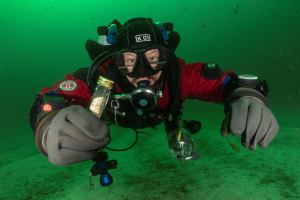
Divers can be reluctant to jump into project diving owing to the perception that they need to bring specialist skills or years of diving experience. The reality is that project diving is open to any competent diver who has good basic skills and a desire to contribute to the team effort. The reality is that if you have these basic attributes you can add significant value to citizen science projects such as Project Baseline.
How good do my basic skills need to be?
Project Baseline aims to empower recreational divers to run their own data collection projects, or to connect them with existing scientific and conservation efforts. This can be daunting for some as we often expect these communities to be expert divers with unlimited capacity. Whilst slightly controversial, the reality is that a well trained recreational diver often has more capacity than some scientific divers.
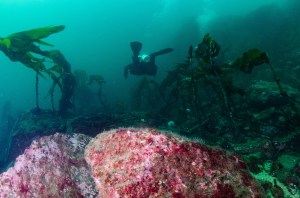
If you’ve taken a class aimed at building a solid diving platform, such as GUE’s Fundamentals Class, you are more than ready for Project Baseline diving. If not then a good gauge is your ability to remain relatively still and stable whilst conducting basic tasks. If you can complete a gas sharing drill with a team mate whilst staying at the same depth and in the same position, without touching the bottom for stability, then you’re good to go.
What can I do and how do I get involved?
No two projects are the same. So it really is your basic dive skills that make you such a great asset to efforts like Project Baseline. That said there are some survey techniques that are more routinely used to survey the underwater environment. These include, taking video or pictures at set intervals along a transect, collecting sediment samples, or identifying specific marine species. None of these require you to be an expert. They require you to be able to dive safely and to have the capacity to complete basic tasks underwater.
To get involved you can reach out to an existing project or start your own. If starting your own it is worth looking for something local, easy to access, and spending a bit of time looking for something topical. A Google search of any local environmental challenges is always a good start. Finding something relevant to your area helps add interest, motivates divers to sustain efforts over a longer period, and can often lead to collaborations which add further value to any project.
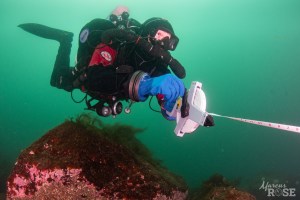
If you would rather join an existing project then my advice would be to just reach out and go for it. Project Baseline teams will welcome your interest and support. If you want to make yourself more useful then skills such as competence with basic underwater photography equipment (GoPro is a good start) or basic survey techniques goes along way. There are many short courses available to help develop these skills.
If you’re still not convinced then there’s another easy way to take your initial steps into Project Baseline. Every dive team requires a ‘safety diver’. This diver is part of the team, but doesn’t undertake any of the survey tasks. They are responsible for monitoring dive time, depth, and looking out for any hazards. This is a super easy way of getting involved.
Finally, if you’re still in doubt then just reach out. In the UK you can contact PBUK via their website. If you are elsewhere in the world then you can contact Project Baseline directly via their website. There’s also project mentoring available here for those wanting more guidance.
Summary
In short, any diver with solid foundational skills can take part in Project Baseline. To improve your utility on a project you should focus efforts on refining basic dive skills. However, the best thing you can do is reach out and discuss any given project with the organisers. There will always be a role for you!
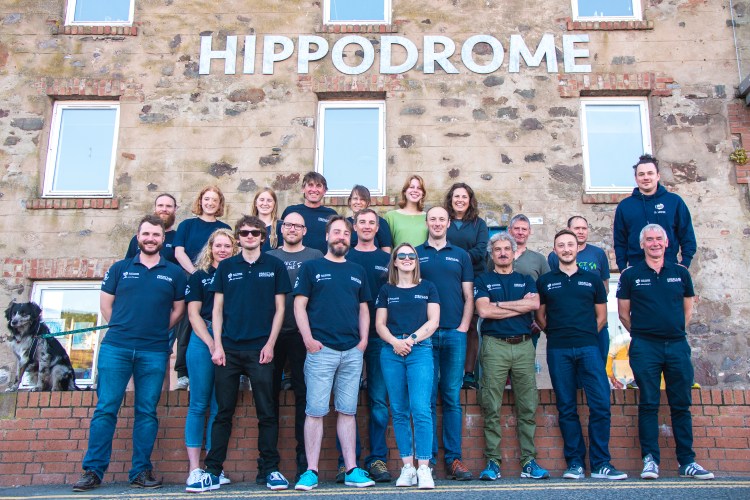
 Project Baseline UK