
Overview
In June 2023 Project Baseline UK divers came together in Eyemouth for a third year running. The event saw the PBUK team again collaborate with the Blue Marine Foundation to improve the collective understanding of the pressures faced by the marine habitats around the Berwickshire coast. This time around PBUK was lucky to also be supported by Sea Changers and the Matthew Good Foundation.

The aims of this third mission were more ambitious than previous years. With 2 boats and 18 divers descending on Eyemouth from around the world, including Europe and the USA, the team were able to collect more data than ever before. The 3 main efforts in 2023 were; kelp video surveys, sea mussel distribution surveys, and sediment collection in support of micro-plastics research.
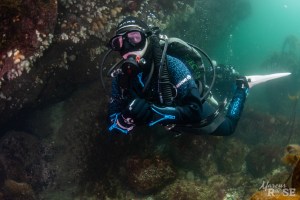
Having collaborated with the University of Plymouth in 2022, during 2023 we were also joined by students from Edinburgh University. The sediment collected from micro-plastics will go towards supporting research conducted by Chester University.
Surveys
There were 3 main techniques used to collect data in support of the project objectives. To survey the kelp forests around the Berwickshire coast divers used a tape measure to lay a 10m transect. They then used 25cm by 25cm quadrants at 1.5m intervals to take video transects of both the kelp itself and the benthic species around the base of the kelp. Team work was essential for success in these surveys. The video diver was reliant on the team members to lay the quadrants, manipulate the kelp, and record basic dive information to support post dive data analysis.
The horse mussel surveys were more challenging than the kelp data collection owing to the uncertainty surrounding their location. Divers were operating in deeper water and had less time owing to both the depth and currents. Using previously recorded sightings of the horse mussels to target the searches, divers used a mixture of drift diving, finning, and DPVs, to survey relatively large areas of the seabed. The divers attempted to record video of the seabed to allow post dive analysis, but also noted down any sightings they made during the dive. Whilst sightings were relatively rare, good numbers of mussels were recorded over the last couple of days of the project. It will be interesting to see what the MSc research tells us about the horse mussels in the area.
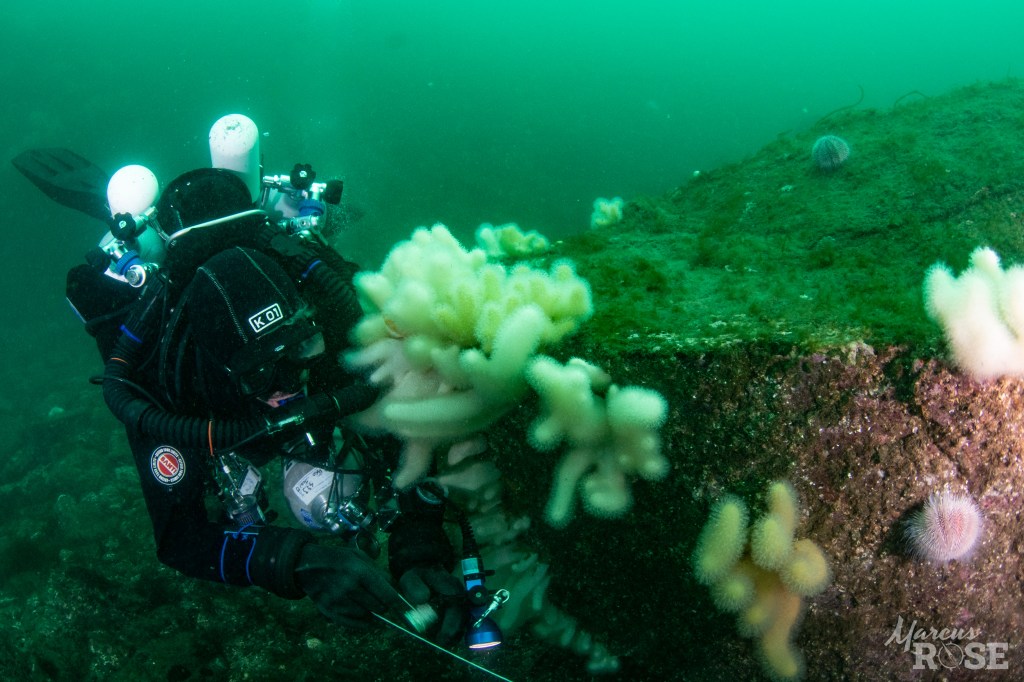
The micro-plastics project aims to assess the variance of micro-plastics in the waters surrounding Eyemouth. This involved collecting sediment from locations at set distances from Eyemouth in both a northerly and southerly direction. Divers collected both sediment and surface water to allow a comparison to be made during analysis. Whilst a relatively straightforward collection technique, the challenge faced by the divers was the depth of water. The sites varied from 32m to nearly 70m.
Outreach Event
During one of the evenings of the project week the divers came together for a night of presentations to share the efforts of other Project Baseline projects. This year the team were really lucky to welcome overseas team members. Ricardo from Spain, Erik from the Netherlands, and Todd / Kristie / Ginnie from the US.
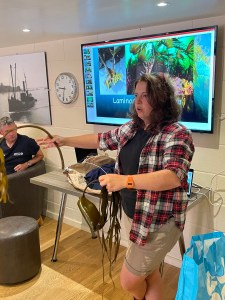
Over the course of the evening the team heard about Ricardo’s project efforts in Spain, both in the ocean and the surrounding caves. They also heard about the origins of Project Baseline from Todd Kincaid, who talked about his experiences protecting the freshwater springs in Florida. We hope to hear from Erik about his scientific diving work next year.
Finally, we were really lucky to get an update on the MSc project we collected data for in 2022. Jenny from Plymouth University presented the results of her thesis, looking at the protection provided to benthic species by shipwrecks. The data concluded that the benthic species around the wrecks are indeed better protected than those further away in open water. It was particularly exciting to hear that the work is undergoing peer review with the aim of publishing it in a Marine Science journal.
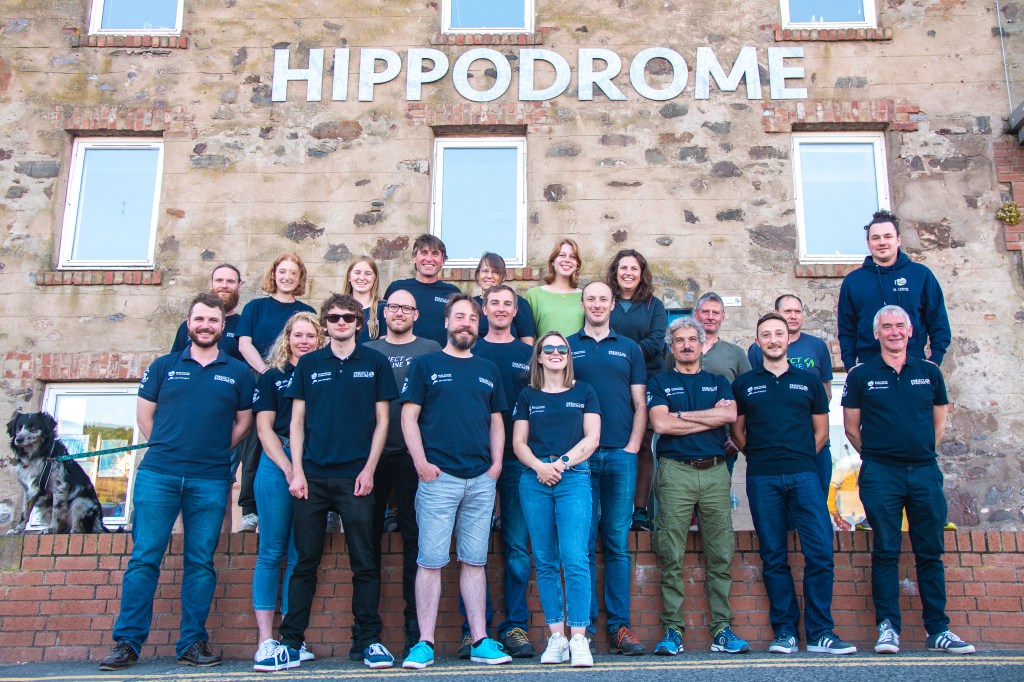
The Dive Team
2023 was the biggest mission delivered by PBUK to date. The number of divers nearly doubled, from 9 in 2022 to 18 in 2023. The team also operated 2 boats in support of 3 separate MSc programmes. It was great to see so many divers return for their second or third year running. It really is the PBUK community that makes these projects so successful, rewarding, and most importantly, enjoyable. Here’s looking forward to more in 2024!
 Project Baseline UK